
By Zohaib Nawaz3 min read
Nobody will notice, and that is exactly why it matters
I once spent a whole evening making thumbnails smaller, and the app looked exactly the same afterwards. No one will ever thank me for it. Here is why I think the details no one notices are the ones that decide whether people stay.
On this page
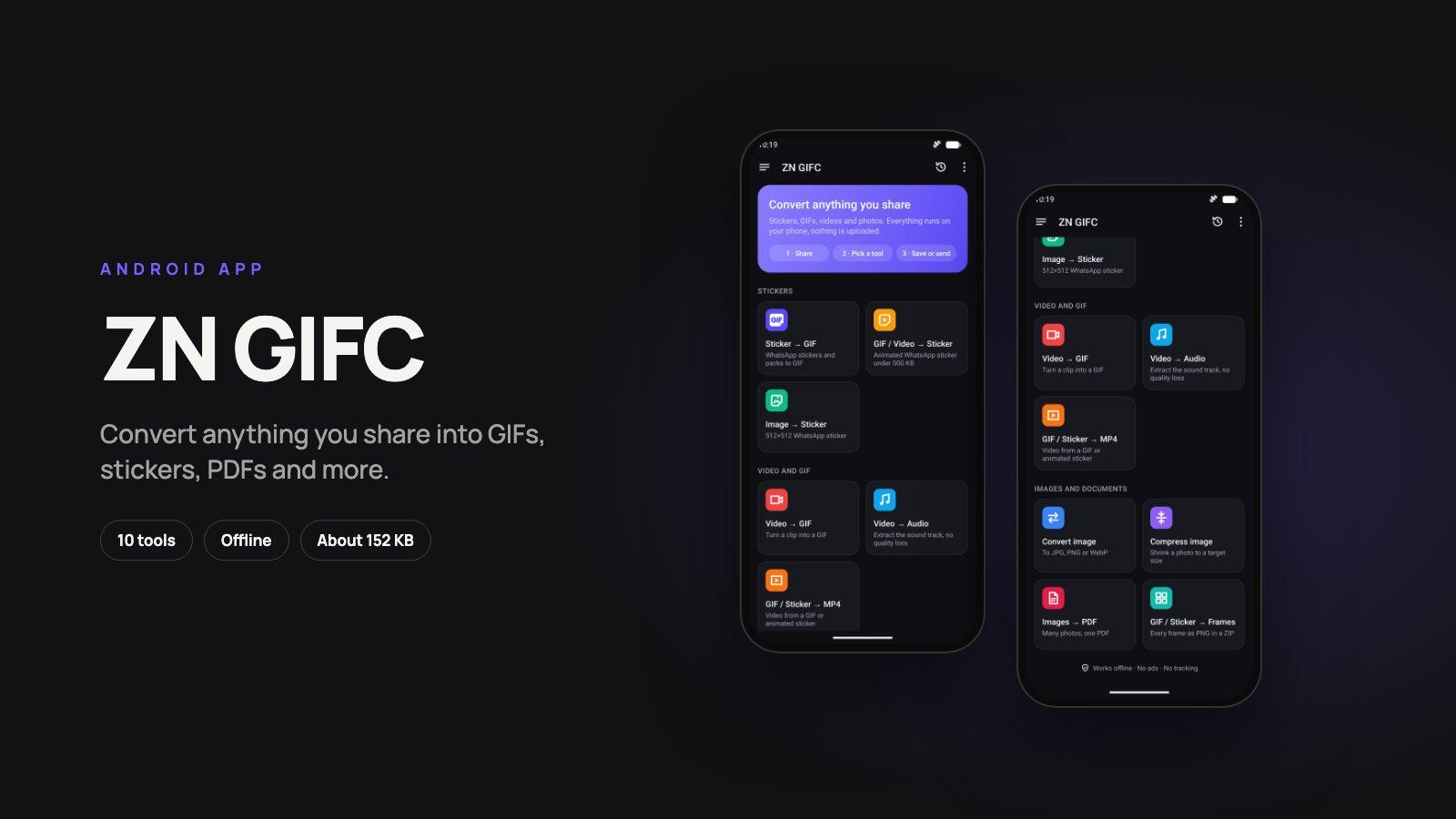
There is one evening I think about more than I probably should. I spent it trying to get animated sticker thumbnails under 300 KB each without making them stutter.
I re-encoded files, compared them frame by frame, held my phone next to my laptop and watched the same three-second animation loop again and again. Somewhere around the fortieth loop I realised something slightly funny. When I was done, the app would look exactly the same as before. If you put the two versions side by side, you would not see a difference.
That was the whole point.
Who I was really building for
The person I had in my head that evening was not a designer or a reviewer. It was someone on a prepaid mobile package, opening the app on a bus, on a phone that is three years old and whose storage is almost full.
For that person, a grid of heavy thumbnails is not a design decision. It is their data balance quietly disappearing. It is a screen that stays grey for four seconds too long. They will not write a review about it. They will not message me. They will just close the app and never open it again.
You never meet the users you lose to details. That is what makes them so easy to ignore, and so expensive.
You never meet the users you lose to details.
The details that live in the gaps
Most of the details I care about now live in the gaps between the “real” features. The empty state, when someone has not added anything yet. The loading state, between a tap and a response. The error message, when something fails and the person has to decide whether to try again or give up.
I once had an upload button that showed nothing while it was working. No spinner, no text, nothing. So people did the most human thing possible: they tapped it again. And again. The result was the same file uploaded three times. The bug was not in the upload code. The bug was that the screen did not say “I heard you, please wait.”
Or the error message that just said “Something went wrong.” It is technically true and completely useless. Wrong how? Was it my internet? Did I lose what I typed? Should I wait or try again? A good error message is a small act of respect. It treats the person on the other side like an adult who deserves to know what happened.
Why it feels thankless
Early in my career I wanted my work to be seen. I wanted the big animation, the clever feature, the thing people would screenshot and share. Nobody screenshots a loading state that was fast. Nobody shares an error message that helped them recover.
When details are done right, they disappear. The only time anyone notices them is when they are missing. That can feel lonely if you need applause to keep going.
I have slowly made peace with it. There is a quieter kind of satisfaction in knowing that someone, somewhere, had a smooth thirty seconds because of an evening I spent staring at thumbnails. They will never know my name. I think that is fine.
How I try to notice what others won't
A few habits help me see what I would otherwise miss:
- Throttle the connection to something painfully slow and use the app like that for a while.
- Use it with one hand, standing up, the way people actually hold their phones.
- Read every piece of text out loud, because awkward words are much easier to hear than to see.
And the most useful one: I hand the app to someone who is not a developer and I keep my mouth shut. No explaining, no “oh, you have to tap there first.” The moment I want to explain something is the moment I have found a detail that needs fixing.
What I believe now
Features are why people try your product. Details are why they stay. The details are rarely hard. They are just easy to skip, because nobody is watching and nobody will notice.
That is exactly why they are worth doing. Doing the work properly when nobody will check is, for me, the difference between writing code and actually caring about the person who uses it.